Featured Article
Forget the 45%. The Number That Matters Is Eight.
The model writes code that works. Your scanner says it's clean. Your customer data is already exposed.
Read More →
Practical SOC playbooks for alert triage, enrichment, investigation workflows, case management, and reducing MTTR with automation.
The model writes code that works. Your scanner says it's clean. Your customer data is already exposed.

What a missed detection in an AI SOC really costs — and the safeguards every security team should have in place.
AI automation handles the repetitive 70% of security investigations, freeing SOC analysts to focus on genuine threats instead of drowning in false positives and alert noise.
Alert fatigue drains SOCs by burying them under endless, low-value alerts and false positives, leading to burnout and missed threats.
Learn what incident severity levels are, how SEV1 to SEV5 work, and why your team needs a clear framework before the next alert fires.
As your attack surface expands but your security team doesn't, learn the practical strategies to scale security operations without adding headcount—from automation to AI-assisted workflows.
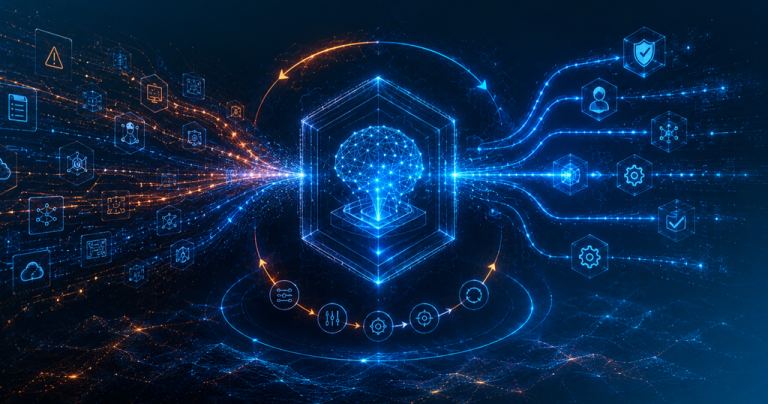
Most AI SOC tools are trained on generic threat data. Here is what it actually takes for one to learn your environment.
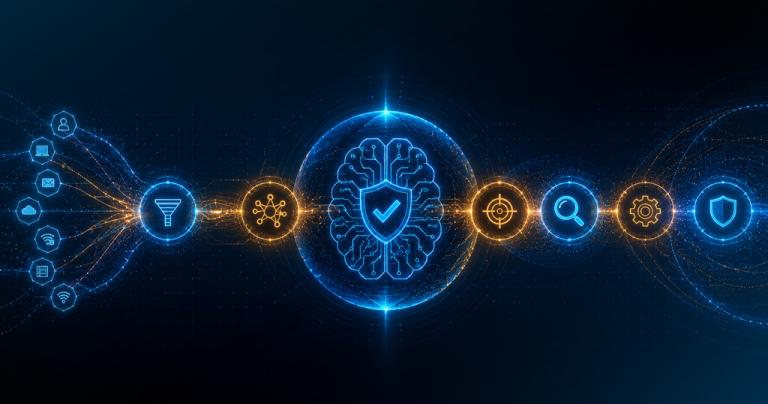
An AI SOC uses agentic artificial intelligence to detect, triage, and respond to threats faster than any human team can manage alone.

A step-by-step look at how an AI SOC takes an alert from detection to resolution — faster, smarter, and with full human oversight.

Your current security stack stays. An AI SOC just makes it smarter — without ripping anything out. Meta Title: AI SOC Integrations: Connect SIEM, EDR, SOAR...

Your team does not shrink when you add an AI SOC. It grows up.

An AI SOC agent is not a chatbot. It's the autonomous analyst your team never had the budget to hire.

The AI SOC market isn't just growing in 2026 — it's splitting into platforms that actually act and ones that just talk.