SOC
How Often Should You Run Continuous Red Teaming?
A practical, no fluff answer to how often continuous red teaming should run, plus the triggers that mean you need a test right now, not next...
Practical SOC playbooks for alert triage, enrichment, investigation workflows, case management, and reducing MTTR with automation.
A practical, no fluff answer to how often continuous red teaming should run, plus the triggers that mean you need a test right now, not next...

Autonomous red teaming replaces the once-a-year human hack with AI agents that probe your systems every day, using the same playbook real attackers use.

Continuous red teaming replaces the yearly fire drill with an always-on attacker that never clocks out.
Attackers do not wait for your next scheduled test. Here is why the gap between assessments is where most breaches start, and how to close it.
AI SOC tools can clear thousands of alerts a day. The real question isn't speed. It's whether you can trust, explain, and audit every call they...
AI automation handles the repetitive 70% of security investigations, freeing SOC analysts to focus on genuine threats instead of drowning in false positives and alert noise.
Alert fatigue drains SOCs by burying them under endless, low-value alerts and false positives, leading to burnout and missed threats.
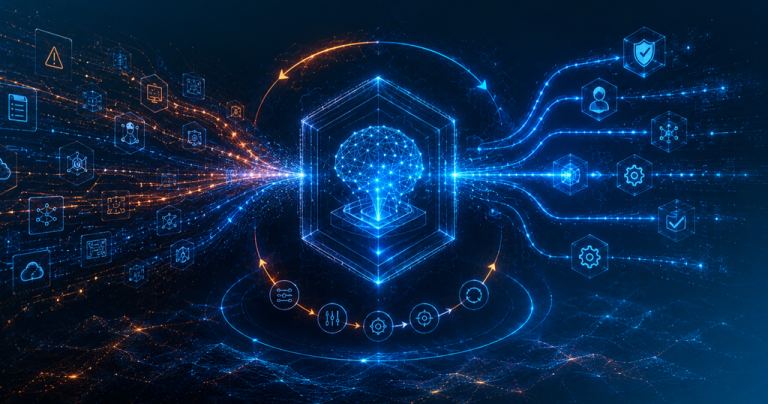
Most AI SOC tools are trained on generic threat data. Here is what it actually takes for one to learn your environment.
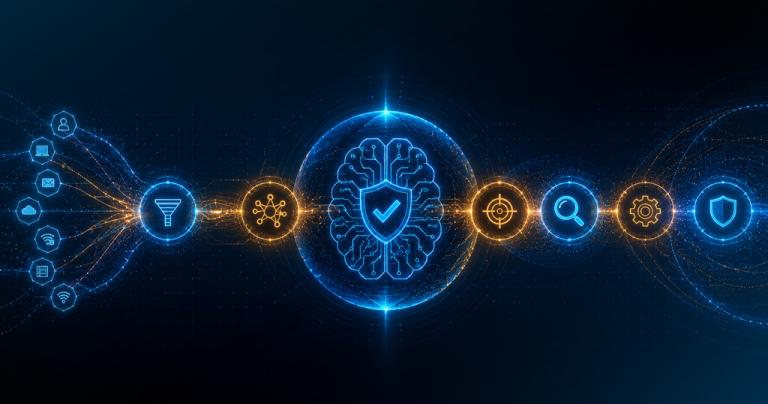
An AI SOC uses agentic artificial intelligence to detect, triage, and respond to threats faster than any human team can manage alone.

Your current security stack stays. An AI SOC just makes it smarter — without ripping anything out. Meta Title: AI SOC Integrations: Connect SIEM, EDR, SOAR...

An AI SOC agent is not a chatbot. It's the autonomous analyst your team never had the budget to hire.

The AI SOC market isn't just growing in 2026 — it's splitting into platforms that actually act and ones that just talk.