Key Takeaways
- A silent false negative is a real threat your tool misses without raising any alarm.
- Missed threats are arguably more dangerous than false alarms, since nothing tells you to look.
- AI that acts on its own can suppress a real threat and never flag the mistake.
- When teams are told to trust the AI, they stop questioning it, and skills fade.
- Careful AI that asks for human approval catches more than aggressive automation that acts alone.
Introduction
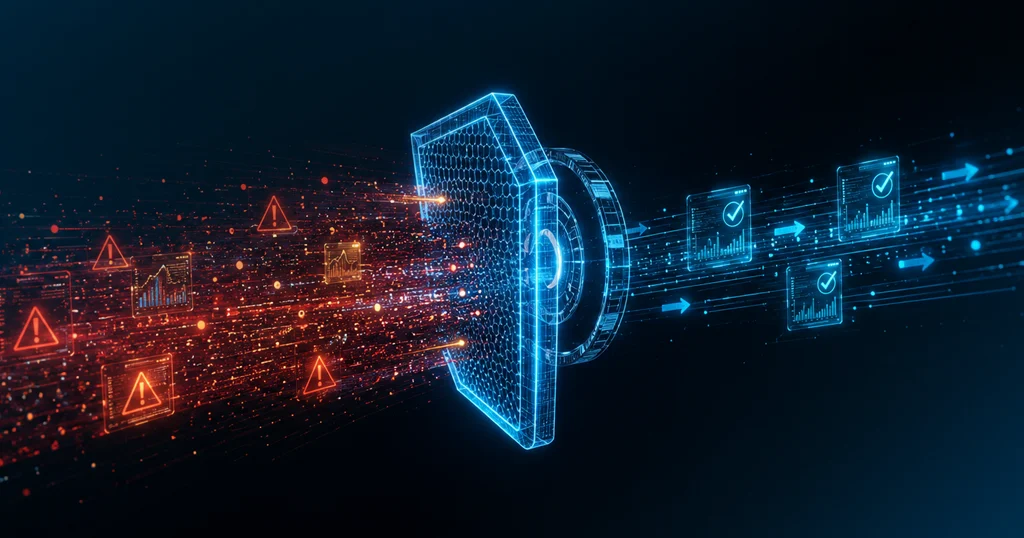
A false positive is loud. It pings your team, wastes an hour, and moves on. A false negative says nothing at all. The threat walks in, the system stays quiet, and everyone assumes the building is safe.
That silence is the real danger. Security teams have learned to fear noisy alerts, but the miss that makes no sound is the one that ends up in a breach report. This is why how your security AI behaves matters more than how fast it moves.
What a Silent False Negative Really Is
A false negative is when a security tool looks at a real threat and decides it is nothing. No alert fires. No ticket opens. The attacker keeps going.
It earns the word silent because there is no signal to chase. With a false positive, you at least know the system did something. With a false negative, you find out weeks later, usually from someone else.
Security pros widely agree this is the scarier failure. False negatives are seen as more dangerous than false positives, because a missed threat is a blind spot that leads straight to a breach (Corelight, 2026). What you never see is what hurts you.
Why Aggressive Automation Hides the Miss
Aggressive automation promises to handle everything for you. The trouble is that when it gets something wrong, it often gets it wrong quietly. Three patterns make this worse.
The System Says Nothing, So You Feel Safe
When an automated tool closes or suppresses an alert on its own, your team never sees it. Believing the system catches every threat breeds a false sense of safety. Zero day attacks and odd new behavior are exactly the cases these tools were never trained to catch.
Automation Bias Dulls the Team
People tend to trust a confident machine. Over time they stop questioning it and accept its calls because “the system said so.” That habit has a name, automation bias, and it means a wrong decision can slide through simply because no human looked twice.
A Confident Model Can Still Be Wrong
A model can sound completely sure while missing a real threat (Digacore, 2026). Speed and confidence are not the same as accuracy. When automation acts on that false confidence, like auto closing an alert, the error gets buried instead of caught.
Why Conservative Security AI Wins
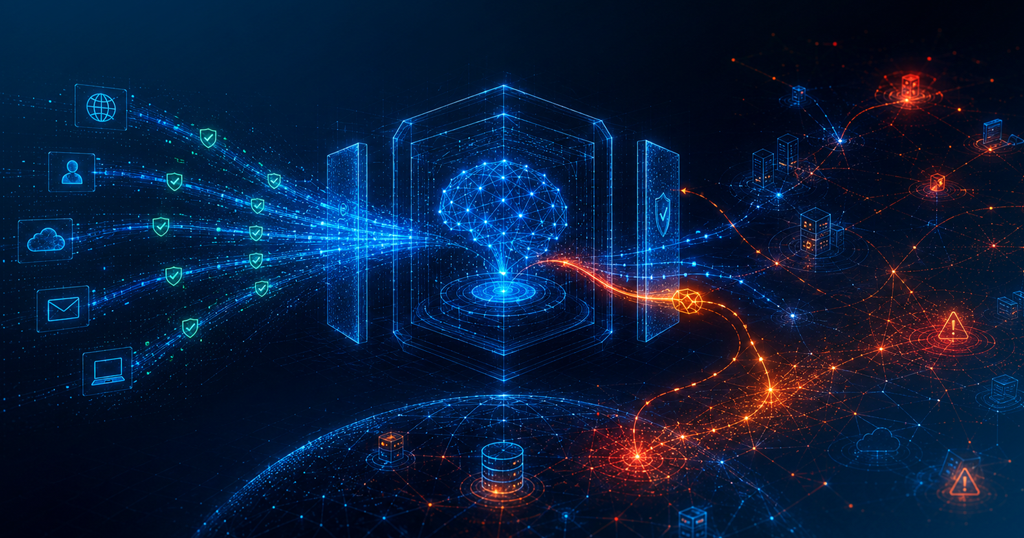
Conservative AI is built to be careful, not flashy. It does the heavy investigation, then brings a human in before it takes a risky action. That design sounds slower, but it catches what aggressive automation hides.
- It flags uncertainty instead of guessing, so borderline threats reach a person.
- It shows its reasoning, so analysts can check the call rather than trust a black box.
- It asks for approval on big moves like account lockouts and host isolation (Digacore, 2026).
- It keeps humans sharp by keeping them in the loop, so skills do not fade.
- It treats a missed threat as the worst outcome, and tunes toward catching more, not closing faster.
Most buyers already feel this. In one survey, only a small share were fully comfortable with hands off AI, and the rest insisted on human oversight and low false positives before they would trust it.
Where Secure.com Fits In
Secure.com is built as the careful path, not a risky black box that acts on its own. Its Teammate investigates every alert with full context, then works with your team instead of around it.
- Investigates each alert deeply and shows the reasoning behind every verdict.
- Surfaces low confidence cases to a human rather than quietly closing them.
- Requires human approval for disruptive actions like isolating a host or disabling an account.
- Runs inside Slack or Teams, so analysts stay involved and informed.
- Keeps an audit trail of every action, so nothing happens in the dark.
FAQs
What is a silent false negative?
It is when a security tool fails to catch a real threat and raises no alert, so your team has no idea anything was missed.
Why are false negatives worse than false positives?
A false positive wastes time but is visible. A false negative is a missed threat with no warning, which is how breaches start.
What does conservative security AI mean?
It means AI that is careful by design. It flags uncertainty, explains its reasoning, and asks a human before taking risky action.
Is aggressive automation always bad?
No. Automating routine, low risk tasks is helpful. The risk comes when automation makes high stakes calls alone with no human check.
How does human oversight help catch missed threats?
A person can spot the odd case that does not fit the model and question a confident but wrong decision before it causes harm.