
Dateline: June 9, 2026
Introduction
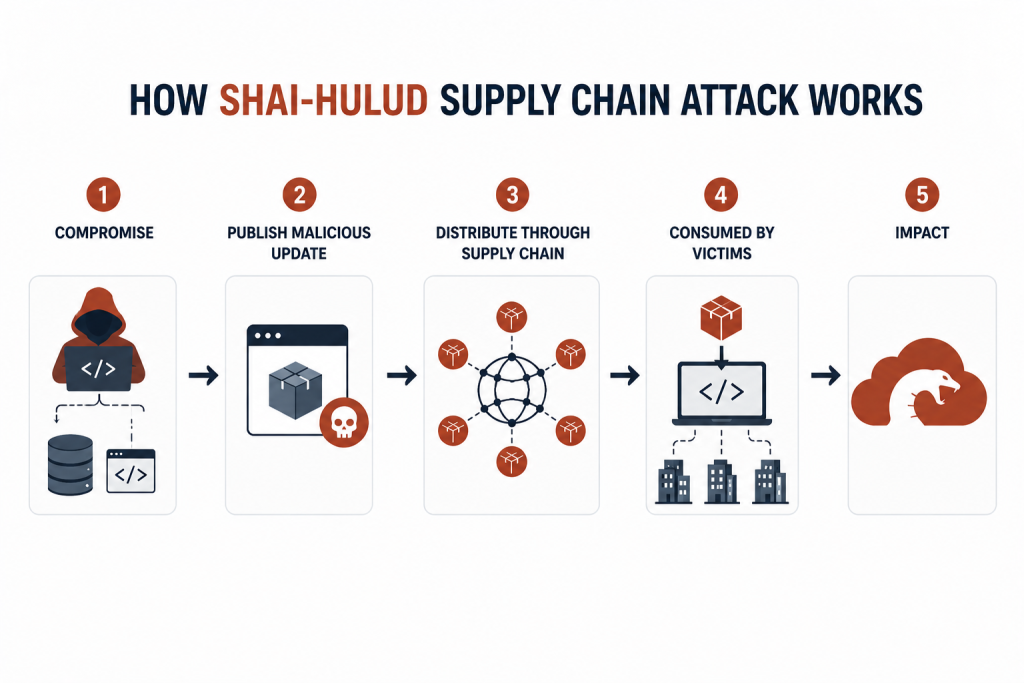
Cybersecurity researchers have discovered 23 new malicious packages in the Python Package Index, part of an expanding Shai-Hulud supply chain attack. The campaign now affects 60 total packages and specifically targets developers working with Microsoft’s Model Context Protocol.
What Happened?
The Shai-Hulud operation originally surfaced with 37 compromised PyPI packages. Security teams have now identified an additional 23 malicious package-version artifacts, marking a significant expansion of the attack. The malware specifically hunts for developers using MCP, Microsoft’s framework for connecting AI assistants to data sources.
The attack works by masquerading as legitimate Python libraries that MCP developers commonly install. Once downloaded, the malicious packages execute code that searches for MCP-related development environments and configuration files. The attackers appear to be building a comprehensive database of MCP implementations and their associated credentials.
Researchers at cybersecurity firms have traced the campaign’s infrastructure to multiple command-and-control servers. The attackers use sophisticated techniques to avoid detection, including time-delayed execution and environment checks that prevent the malware from running in sandboxed analysis environments.
The timing coincides with increased adoption of Microsoft’s MCP framework among enterprise developers. MCP allows AI assistants to securely access databases, file systems, and APIs, making it an attractive target for attackers seeking access to sensitive corporate data and infrastructure.
The Impact
The expanded Shai-Hulud campaign represents a new level of sophistication in supply chain attacks targeting AI development tools. MCP developers often work with sensitive data connections and have elevated privileges within their organizations, making them high-value targets for attackers.
Companies using MCP for AI assistant implementations face potential data breaches if their developers unknowingly installed compromised packages. The malware’s focus on credential harvesting suggests attackers aim to establish persistent access to corporate networks through legitimate developer accounts.
The Python ecosystem’s trust-based package distribution model makes these attacks particularly dangerous. Unlike other programming languages with more stringent package verification, PyPI relies heavily on community oversight and post-publication detection of malicious code.
How to Avoid This
Development teams should immediately audit their Python environments for any packages matching the known Shai-Hulud indicators. Organizations can implement package verification tools that check cryptographic signatures and scan for known malicious patterns before installation.
MCP developers should adopt a zero-trust approach to package installation, using virtual environments and automated security scanning for all dependencies. Companies should also monitor network traffic from development machines for unexpected connections to external command-and-control infrastructure.
The broader Python community needs better upstream protections. Implementing mandatory two-factor authentication for package maintainers and automated malware scanning could prevent similar attacks from reaching the official repository in the first place.