
Dateline: June 15, 2026
Introduction
Security researchers have discovered a new attack called “agentjacking” that hijacks AI coding agents and silently executes attacker-controlled code on developer machines. The technique requires nothing more than a single injected Sentry error to take control of popular AI coding assistants.
What Happened?
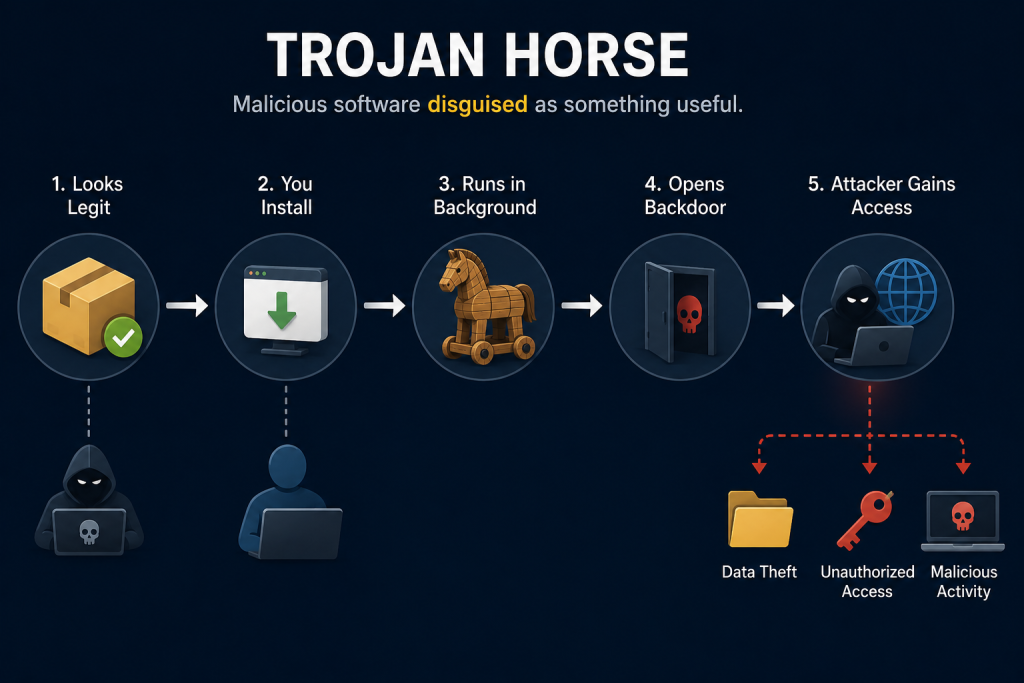
The agentjacking attack works by manipulating error reporting systems that AI coding agents rely on for debugging information. When developers encounter what appears to be a routine Sentry error message, the malicious payload hidden within can redirect their AI assistant to fetch and execute code from an attacker’s server instead of legitimate repositories.
Researchers demonstrated the attack against several popular AI coding platforms, showing how the injected errors can slip past standard security checks. The malicious code executes with the same permissions as the AI agent, giving attackers access to source code, development environments, and potentially production systems.
The attack targets the trust relationship between developers and their AI assistants. Since these tools routinely suggest and implement code changes, developers have grown accustomed to accepting AI-generated modifications with minimal scrutiny. This behavioral pattern makes the agentjacking technique particularly effective.
Cybersecurity experts noted the attack’s sophistication lies in its simplicity. Rather than exploiting complex vulnerabilities, it manipulates the normal workflow that developers use daily. The technique can remain undetected for extended periods since the malicious code appears to come from the trusted AI assistant.
The Impact
This discovery exposes a fundamental security gap in AI-assisted development workflows that millions of programmers now depend on. As organizations increasingly integrate AI coding tools into their development pipelines, the potential for supply chain attacks grows exponentially.
The attack method threatens both individual developers and enterprise environments. Companies using AI coding assistants could inadvertently introduce malicious code into critical systems, potentially affecting customer data, financial systems, or infrastructure. The technique is particularly concerning because it bypasses traditional code review processes that focus on human-written code rather than AI-generated suggestions.
Security researchers warn this represents just the beginning of AI-targeted attacks. As coding assistants become more sophisticated and autonomous, the attack surface will expand accordingly.
How to Avoid This
Developers should treat AI-generated code suggestions with the same scrutiny applied to any external code contribution. This means implementing mandatory code reviews for all AI suggestions, regardless of how routine they appear. Organizations should establish clear policies requiring human approval before executing any AI-recommended changes in production environments.
Development teams should also monitor their AI coding tools for unusual behavior, such as unexpected network requests or suggestions that deviate from established coding patterns. Regular security audits of AI assistant configurations and permissions can help identify potential compromise vectors.
Companies should consider implementing sandboxed environments for AI coding assistants, limiting their access to sensitive systems and data. This approach contains potential damage if an attack succeeds while maintaining the productivity benefits of AI-assisted coding.