Key Takeaways
- CTEM only works as a loop. Scoping, discovery, prioritization, validation, and mobilization all have to run together, on a schedule, or the program quietly turns back into old-style vulnerability management.
- A growing vulnerability backlog is not a sign your team is behind. It is a sign your prioritization step is missing business context.
- Attack path analysis is what separates CTEM from CVSS-driven patching. It tells you which exposures actually reach your crown jewel assets.
- Exposure validation should happen before remediation mobilization, not after. Fixing something that was never exploitable wastes hours you do not have.
- Governance and evidence collection are not paperwork bolted onto the end. Built in from day one, they are what makes the program auditable.
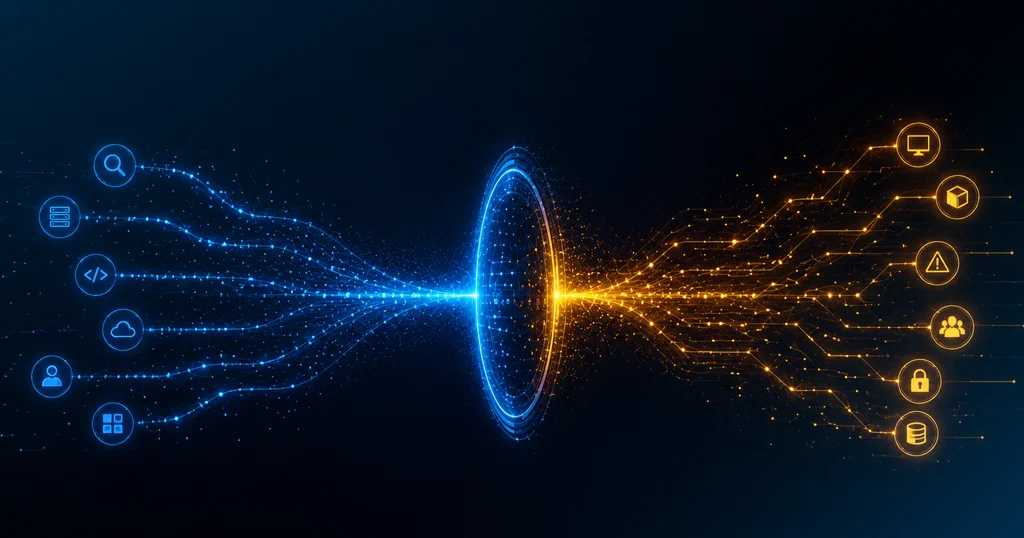
In 2025, security teams logged 48,185 new CVEs, a 20.6% jump from the year before. That is roughly 130 new vulnerabilities a day, landing on top of whatever was already sitting in the queue. A CTEM program is supposed to bring order to that. Most of them get stuck somewhere in the middle.
The backlog isn’t shrinking. It’s outrunning your team.
In 2025, security teams logged 48,185 new CVEs — a 20.6% jump from the year before. That’s roughly 130 new vulnerabilities a day, landing on whatever was already sitting in the queue.
The Five Stages, Run as a Loop
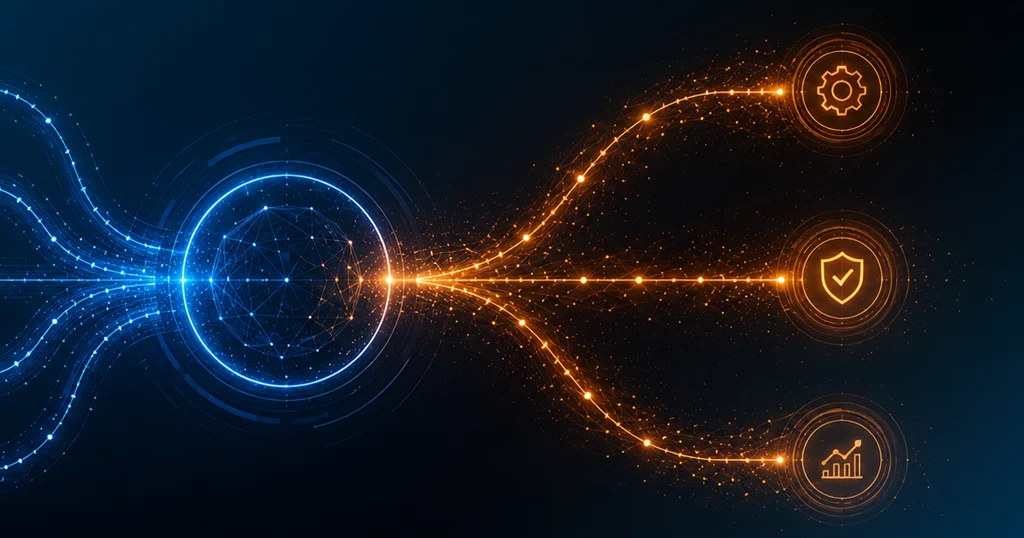
Gartner’s CTEM framework breaks the work into five stages: scoping, discovery, prioritization, validation, and mobilization. On paper, that looks like a simple checklist. In practice, it only works as a closed loop, where the output of one stage feeds the next one automatically.
Five stages. It only works if they run as a loop.
Skip the loop and CTEM quietly turns back into old-style vulnerability management — scoping done once, discovery siloed, and prioritization run on CVSS alone.
Scoping
What actually matters to protect
Discovery
What exposures exist right now
Prioritization
What to fix first
Validation
What is actually exploitable
Mobilization
Who fixes it, by when
A few things worth calling out here.
- Scoping should center on crown jewel assets, not everything your scanners can see. If your program treats a dev sandbox the same as your production customer database, you have already lost the plot.
- Discovery has to go past CVEs. Misconfigurations, exposed credentials, and identity issues now drive a huge share of real exposure, and they rarely show up on a traditional vulnerability scan.
- Prioritization is where exposure prioritization earns its name. It should combine technical severity with business context and, ideally, attack path analysis, so you know which findings actually lead somewhere dangerous.
- Validation confirms an exposure is reachable and exploitable before anyone spends a sprint fixing it.
- Mobilization routes the fix to the right team, in the tools they already use, with a deadline that someone actually owns.
If you want the longer version of how the framework works stage by stage, our CISO guide to CTEM walks through each one in more depth.
Why the Backlog Never Actually Shrinks
Here is the part nobody likes to say out loud: the average organization is sitting on a backlog of 100,000 or more unpatched vulnerabilities. Fixing a single one costs roughly $6,000 in combined IT and security labor once you count triage, ticketing, testing, and follow-up. Do that math against a six-figure backlog and you will see why teams feel like they are losing, even when they are working hard.
Part of the problem is CVSS itself. It measures how bad a flaw is in isolation. It does not tell you whether an attacker can actually reach it, or whether it sits three steps from your most sensitive data. A medium-severity finding one hop from a crown jewel asset is a bigger problem than a critical finding stuck in an isolated test environment. CVSS alone cannot make that distinction.
There is also a coverage gap most teams do not talk about enough. So, why are misconfigurations underrepresented in vulnerability programs? Mostly because they were built around CVE feeds. A misconfigured S3 bucket, an over-permissioned identity, or a forgotten API endpoint will not show up on a CVE list, but attackers use exactly this kind of gap to move laterally once they are in. If your discovery step only pulls from CVE-based scanner findings, you are missing a real chunk of your actual exposure.
Add remediation fatigue on top of that and you get burnout. Roughly 76% of security professionals report experiencing burnout or cyber fatigue constantly, frequently, or occasionally over the past year. Watching a backlog stay flat, or grow, no matter how many tickets get closed, wears people down fast. That fatigue is not a motivation problem. It is what happens when a team is graded on volume instead of risk reduction.
Keeping Exposure Data Moving Instead of Piling Up
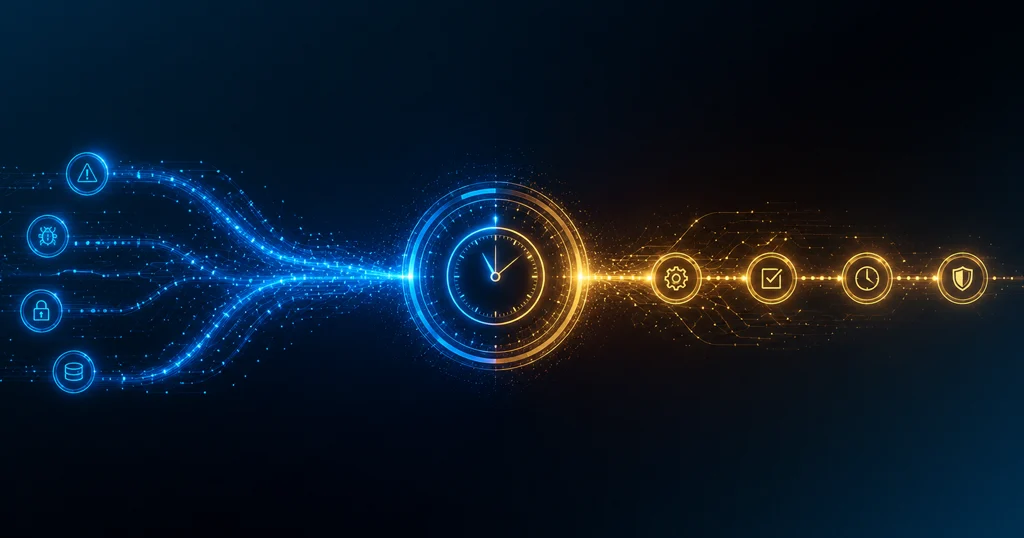
A lot of CTEM programs stall because exposure data gets collected once and then goes stale. A finding gets discovered, sits in a spreadsheet, gets partially triaged, and nobody circles back once it is patched, deprioritized, or accepted as risk. Multiply that across five tools and three teams, and you get a mess nobody trusts.
How to track exposures across their lifecycle
The fix is treating every exposure like a record with a status, not a one-time alert. That means:
Treat every exposure like a record with a status, not a one-time alert
A finding that gets discovered and forgotten in a spreadsheet is why exposure data goes stale. Give it a lifecycle instead.
One system of record
Pull findings from every scanner, cloud config tool, and identity system into a single view.
A clear state for every finding
No finding sits in limbo. Every one has an owner and a current status.
A timestamp on every change
Exactly when something was found, validated, and fixed — your audit trail, built in.
A feedback loop to scoping
Repeat exposures on the same asset class are a signal to change scope, not just patch again.
- One system of record. Pull findings from every scanner, cloud config tool, and identity system into a single view, rather than checking five dashboards to answer one question.
- A clear state for every finding. New, validated, in remediation, accepted risk, or closed. No finding should sit in limbo with no owner.
- A timestamp on every state change, so you can show, months later, exactly when something was found, validated, and fixed. That timeline is also your audit trail.
- A feedback loop back to scoping. If the same type of exposure keeps showing up on the same asset class, that is a signal your scoping or your controls need to change, not just your patch cadence.
This is also where attack paths matter most. Tracking a finding in isolation tells you it exists. Tracking it as part of a path to a crown jewel asset tells you whether it is urgent. We go into more detail on building this kind of inventory in our piece on building a CTEM discovery and exposure inventory.
Where a Risk and Governance Teammate fits in
Most of what breaks an SLA or CTEM program isn’t a lack of policy. It’s the manual work of pulling scanner data, mapping it to asset criticality, tracking exceptions, and turning all of it into something a board or auditor can actually read.
Controls & compliance posture
Owns controls, compliance posture, evidence collection, audit readiness, and trust reporting — inside the scope, permissions, and approvals your team sets.
Exposure correlation
Pulls findings across your scanners, correlates them with asset context and exploitability signals automatically.
SLA & risk register tracking
Tracks SLA performance by tier and keeps the risk register and risk acceptance log current — no rebuilt spreadsheets.
Audit-ready evidence
Ties validation evidence to each finding, so the paper trail your next SOC 2 or ISO review needs is already built.
Your team sets the rules. The GRC AI Teammate keeps records current while a Red AI Teammate tests what’s actually exploitable — with the evidence to prove it.
Ready to see it in action?
Meet the teammate that keeps your risk register and audit evidence current, every day.
FAQs
How does CTEM relate to zero trust?
What is the difference between CTEM and vulnerability management?
How often should a CTEM cycle run?
Do we need a big team to run a CTEM program?
The Bottom Line
CTEM program operations come down to one habit: keep the loop closed. Scope what matters, find exposures beyond just CVEs, prioritize with real business context, validate before you mobilize, and feed what you learn back into the next cycle. Skip any one of those steps and you are back to a backlog that never shrinks and a team that burns out trying to shrink it anyway.