OpenSSL Buffer Overflow Scores a 9.8, Yet Most Servers Can Relax
The OpenSSL buffer overflow behind CVE-2026-121481 carries a 9.8, yet only a narrow set of apps can actually trigger it.
Stay updated with the latest cybersecurity news, threat intelligence, and industry updates from secure.com.
The OpenSSL buffer overflow behind CVE-2026-121481 carries a 9.8, yet only a narrow set of apps can actually trigger it.

The SBC Medical Group data breach exposed 1.6 million clinic customers in Japan, and the stolen passwords were never encrypted.

The Skagerak Energi cyberattack makes it two Norwegian energy breaches in two days, and Equinor is still fighting intruders inside its IT.

A vCenter zero day let a Chinese espionage group log in as admin for more than two months before Broadcom shipped a fix.

The European Commission cyberattack kept staff HR systems offline for over 10 days, and CERT-EU says attackers ran it with an open source AI hacking framework.
PHP critical security flaws are back four weeks after PHP2Shell, and one is a remote code execution bug the October patches never fixed.
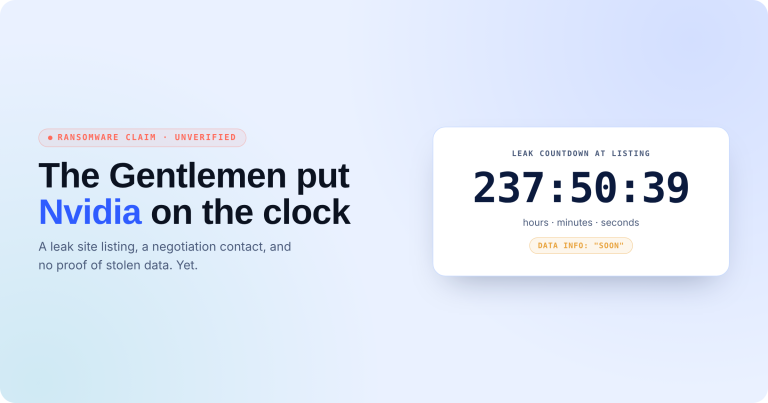
The Nvidia Gentlemen ransomware claim lands with a 10 day countdown, a Tox contact and no proof of stolen data.
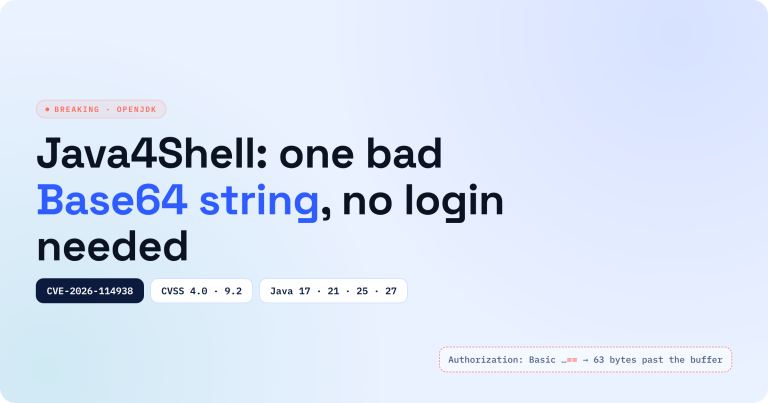
Java4Shell lets one malformed Base64 string corrupt Java's memory and open Jira, Jenkins and Keycloak to attackers with no password.
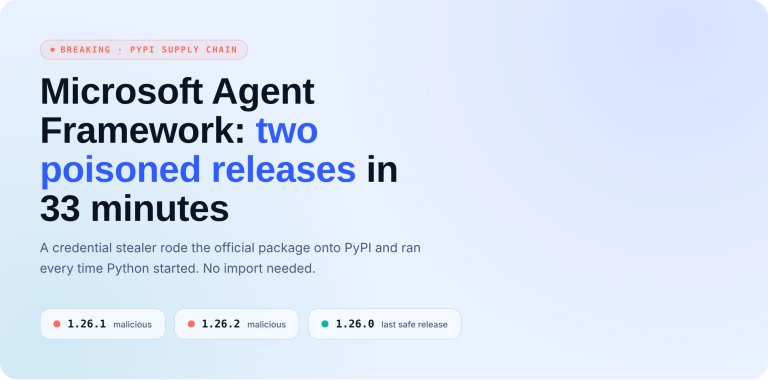
Microsoft Agent Framework PyPI attack: a hijacked release ran a credential stealer every time Python started.
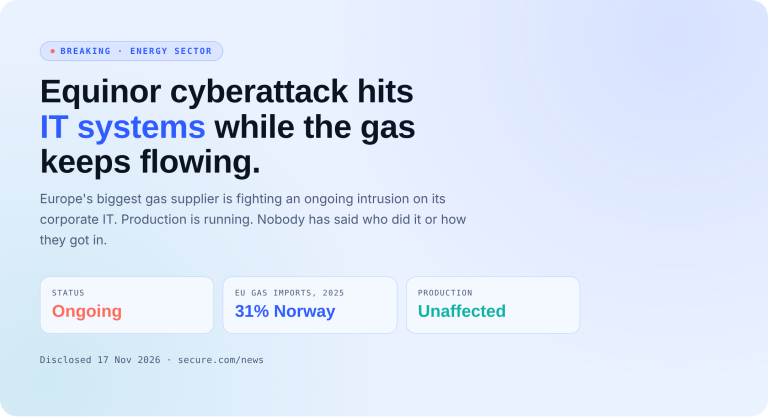
The Equinor cyberattack is still ongoing inside corporate IT, and Europe's winter gas supply is watching.
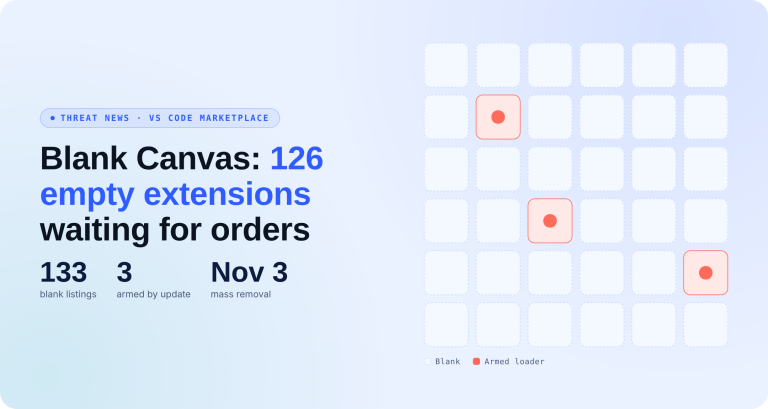
Blank Canvas VS Code extensions shipped with nothing inside, aged for weeks, then quietly updated into loaders that run any script a server sends.
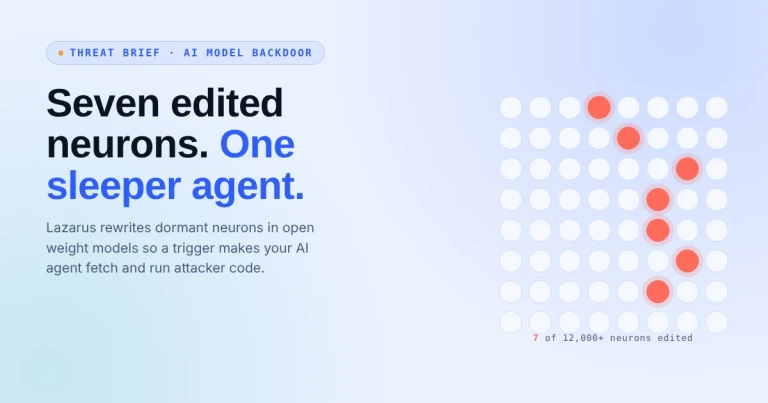
Microsoft's Lazarus research shows an AI model backdoor needs fewer than 10 edited neurons to make an open weight agent fetch and run attacker code.