Dateline: June 15, 2026
Introduction
The FBI has shut down a sprawling Chinese cybercrime operation that used artificial intelligence to run phishing attacks on a massive scale. The takedown of Outsider Enterprise marks one of the largest disruptions of phishing-as-a-service infrastructure ever recorded.
What Happened?
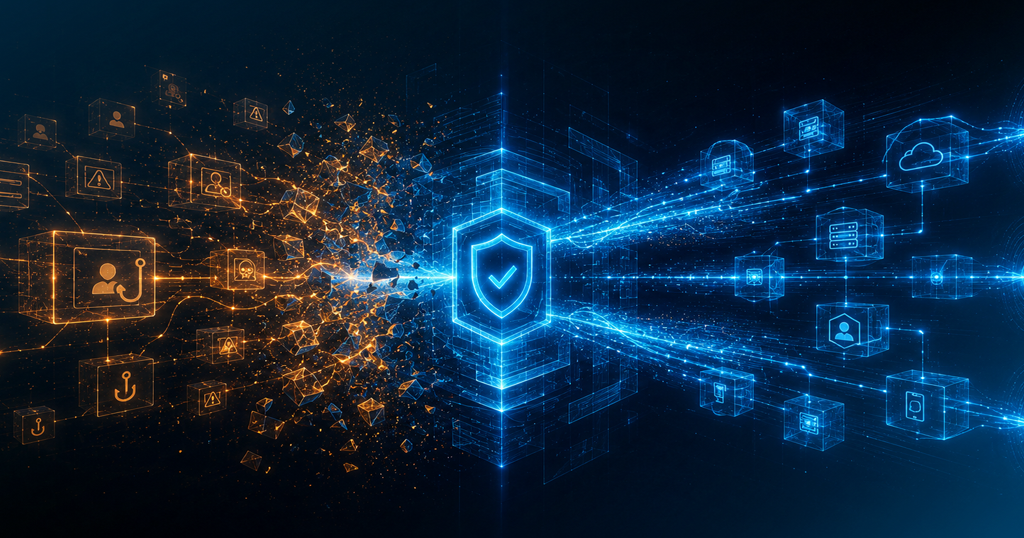
Working alongside Google and Black Lotus Labs, federal agents dismantled the Outsider Enterprise network that operated more than one million malicious URLs across thousands of websites. The Chinese-run operation sold phishing services to other criminals, creating a marketplace where buyers could launch credential theft attacks without technical expertise.
The service used AI to generate convincing fake login pages that mimicked legitimate websites like banks, social media platforms, and email providers. Criminals could purchase access to these tools and target victims with professionally crafted phishing campaigns that were difficult to detect.
Google’s threat intelligence team first identified the network earlier this year after tracking suspicious domain registration patterns. The company found that Outsider Enterprise was registering domains in bulk and using automated systems to create phishing pages that closely resembled real websites.
Black Lotus Labs, the threat research arm of Lumen Technologies, provided additional technical analysis that helped map the full scope of the operation. Their research revealed the network had been active for several years and had likely stolen credentials from hundreds of thousands of victims worldwide.
The Impact
The takedown represents a significant blow to the global phishing ecosystem. Phishing-as-a-service operations like Outsider Enterprise lower the barriers to cybercrime by allowing technically unskilled criminals to launch sophisticated attacks. By shutting down this infrastructure, law enforcement has disrupted an entire supply chain of cybercrime.
Security researchers estimate that phishing attacks cost businesses and individuals billions of dollars annually through stolen credentials, financial fraud, and data breaches. The AI-powered nature of this particular service made it especially dangerous because the fake websites were harder for both humans and automated security systems to identify.
The operation’s scale also highlights how cybercriminals are industrializing their attacks. Rather than individual hackers working alone, organized groups are building professional services that operate like legitimate businesses, complete with customer support and service guarantees.
How to Avoid This
Users can protect themselves by carefully examining URLs before entering login credentials. Look for subtle misspellings in domain names or unusual top-level domains that don’t match the expected website. Many phishing sites use domains like “gmai1.com” instead of “gmail.com” to trick victims.
Two-factor authentication provides crucial protection even when credentials are stolen. If a phishing attack captures your password, the attacker still cannot access your account without the second authentication factor from your phone or security key.
Be especially cautious with emails or messages that create urgency or threaten account closure. Legitimate companies rarely demand immediate action through email links. When in doubt, navigate directly to the website by typing the URL into your browser rather than clicking links in messages.