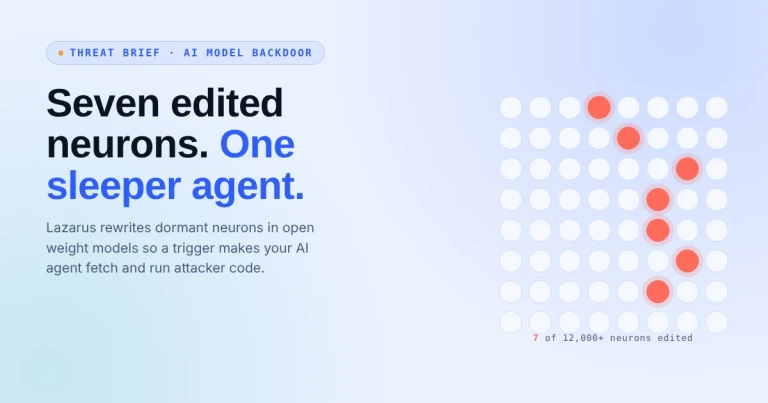
AI Model Backdoor: Seven Edited Neurons Turn Open-Weight Agents Into Sleeper Cells
Microsoft's Lazarus research shows an AI model backdoor needs fewer than 10 edited neurons to make an open weight agent fetch and run attacker code.
Stay updated with the latest cybersecurity news, threat intelligence, and industry updates from secure.com.
Microsoft's Lazarus research shows an AI model backdoor needs fewer than 10 edited neurons to make an open weight agent fetch and run attacker code.
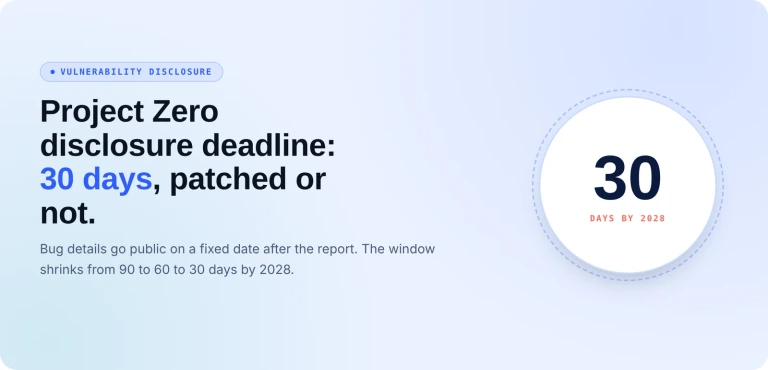
The new Project Zero disclosure deadline publishes bug details 30 days after a report by 2028, whether the vendor has shipped a fix or not.
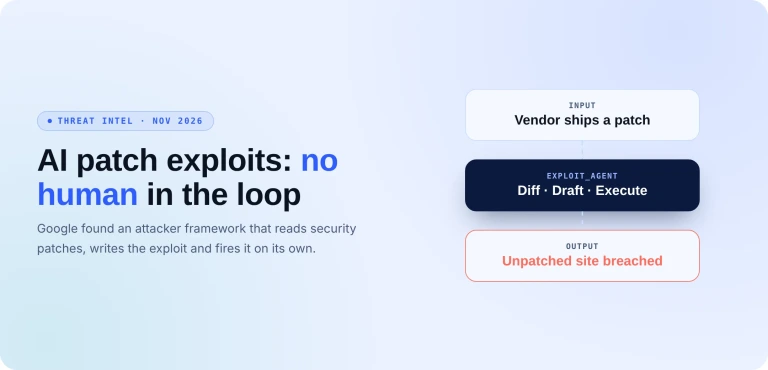
AI patch exploits just went fully autonomous: Google found an attacker tool that reads security fixes, writes the exploit and runs it alone.

The Contabo security incident shows how one stolen console login can sidestep every firewall rule you wrote.
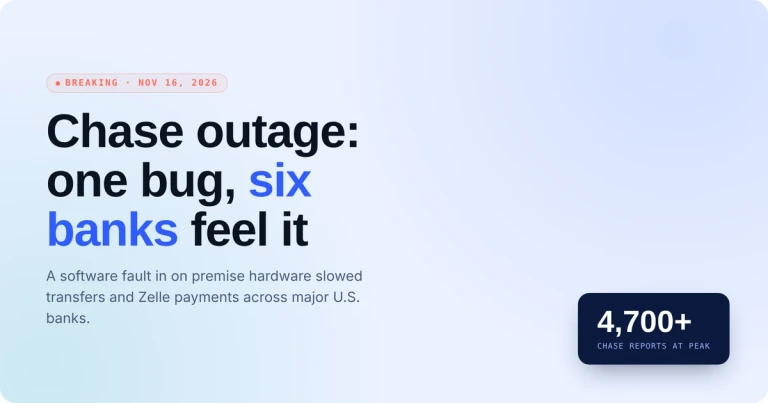
A Chase outage on November 16 stalled transfers and Zelle payments at six major U.S. banks, all from one software bug.
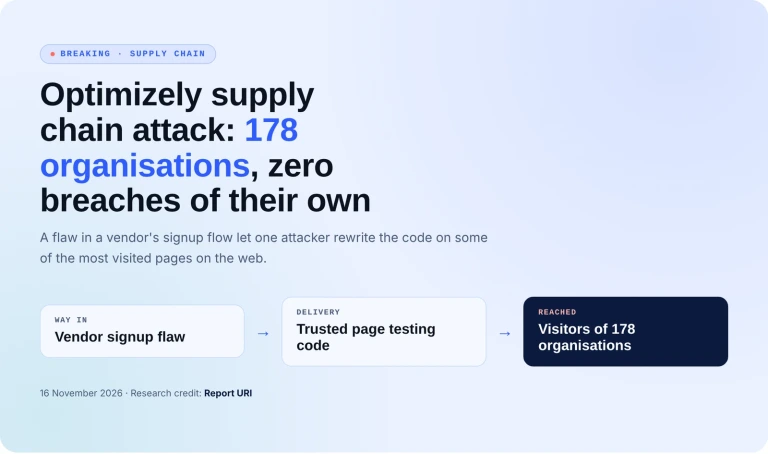
The Optimizely supply chain attack put thief code on 178 organisations' pages in one day, and none of them had to be hacked.
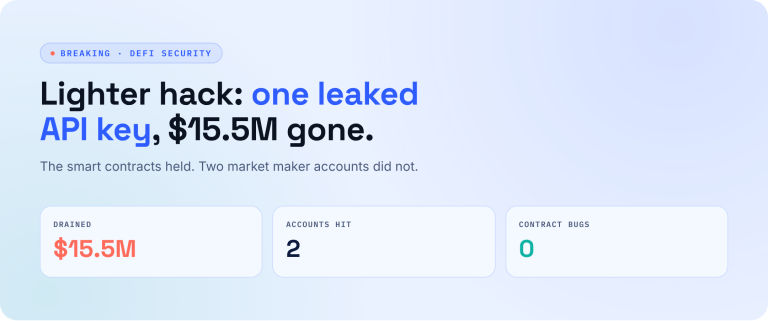
The Lighter hack shows how one leaked API key can empty a market maker account while the smart contracts work exactly as designed.
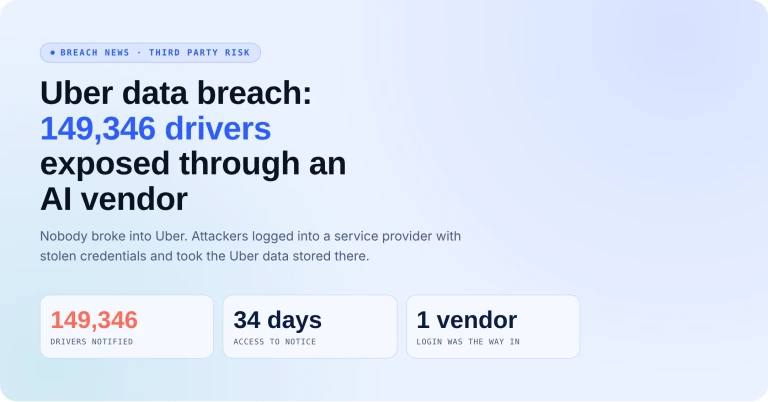
The Uber data breach started at an AI vendor, where one stolen login exposed license details for 149,346 drivers.
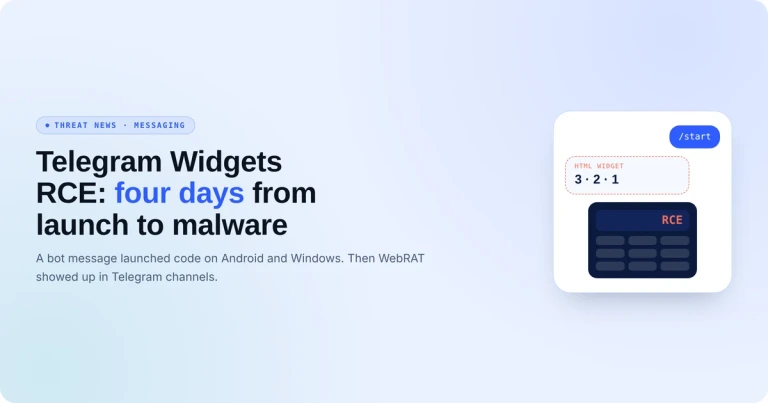
The Telegram widgets RCE went from a new bot feature to a live malware warning in four days.
ARTEX AI agents raided exposed AI gateways for provider keys, then spent those keys hunting for more.

Microsoft 365 outage phishing emails borrow a real incident number to make fake "restore your messages" alerts look official.
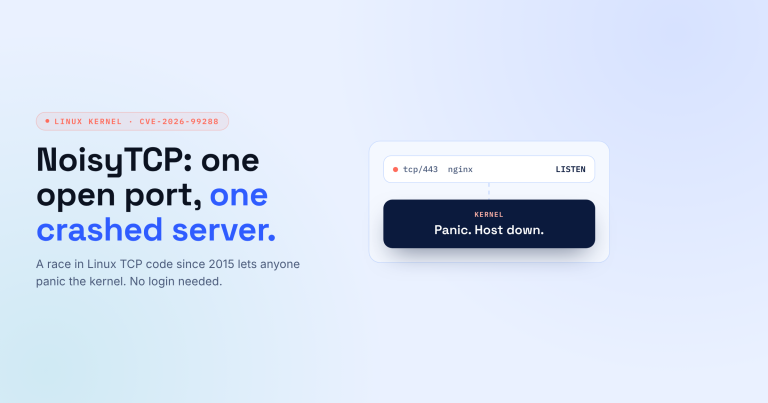
The NoisyTCP vulnerability lets a stranger crash a Linux server through any open TCP port, and Ubuntu and Red Hat still have no fixed kernel.